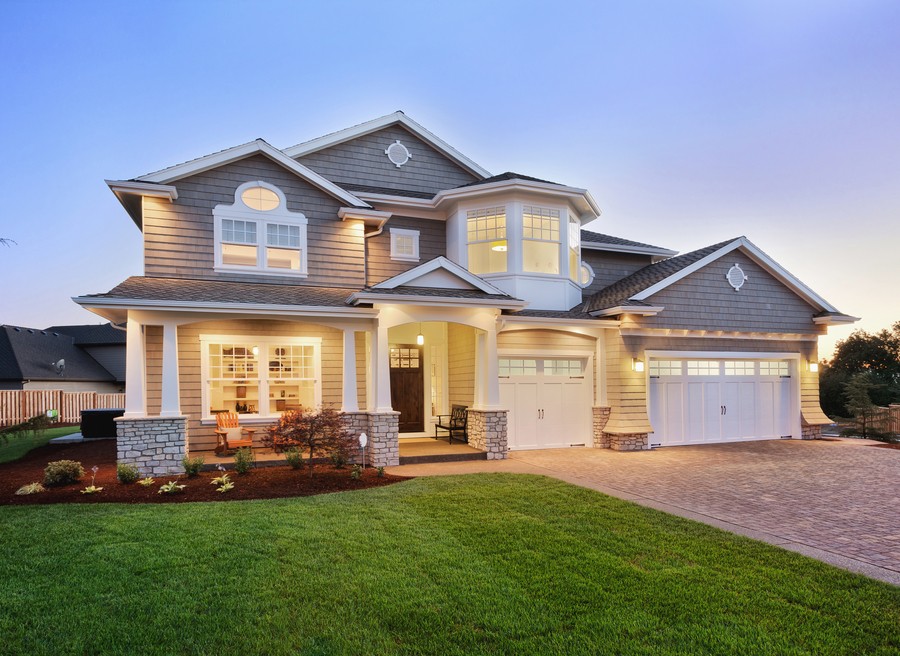
How Do You Future-Proof a Home Without Overbuilding It?

how-do-you-future-proof-a-home-without-overbuilding-it

Spend on Infrastructure Now So Buyers Can Add Features Later

Every custom build runs into the same budget question: how much technology belongs in the base spec? Load the home with every smart feature and you carry the cost, plus the risk that the equipment looks dated by closing. Leave it out, and the buyer who wants motorized shades two years later has to open finished walls to get them. That expense and mess often find their way back to your reputation.

The most effective strategy for preparing a home for future tech is investing in behind-the-wall infrastructure. By prioritizing wiring, conduit, and central equipment space during construction, you set up the home for simple upgrades down the road. Here is how we help builders plan a solid low-voltage foundation during framing so every home remains adaptable.
Why You Should Get a Head Start on Planning Your Lighting

why-you-should-get-a-head-start-on-planning-your-lighting

Get Greater Freedom on Keypad Models and Placement 

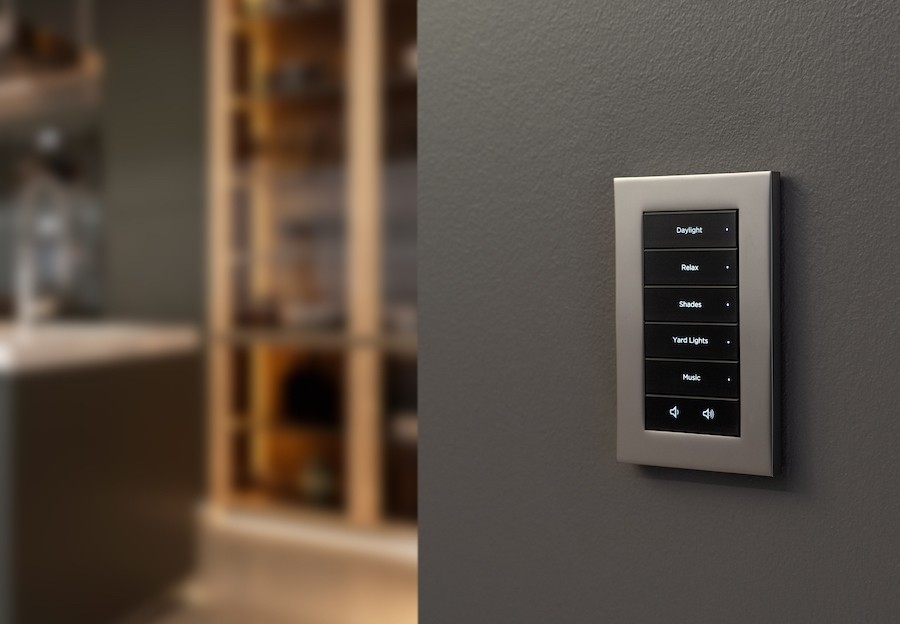
If you are building or renovating, your lighting plan probably begins with fixtures: where the pendants hang and which rooms get recessed cans. The question that shapes daily life gets far less attention. How will you turn those lights on and off every day? Without a plan, the answer is often a bank of six switches by the front door and a walk across a dark primary suite to reach the last lamp. 

Good lighting control solves both problems, but only if you make the choices before drywall goes up. At that time, you have greater flexibility in what keypads to choose and where they 

should go. After drywall, every change means opening finished walls.

How Builders Can Prevent the #1 Smart Home Callback

how-builders-can-prevent-the-1-smart-home-callback

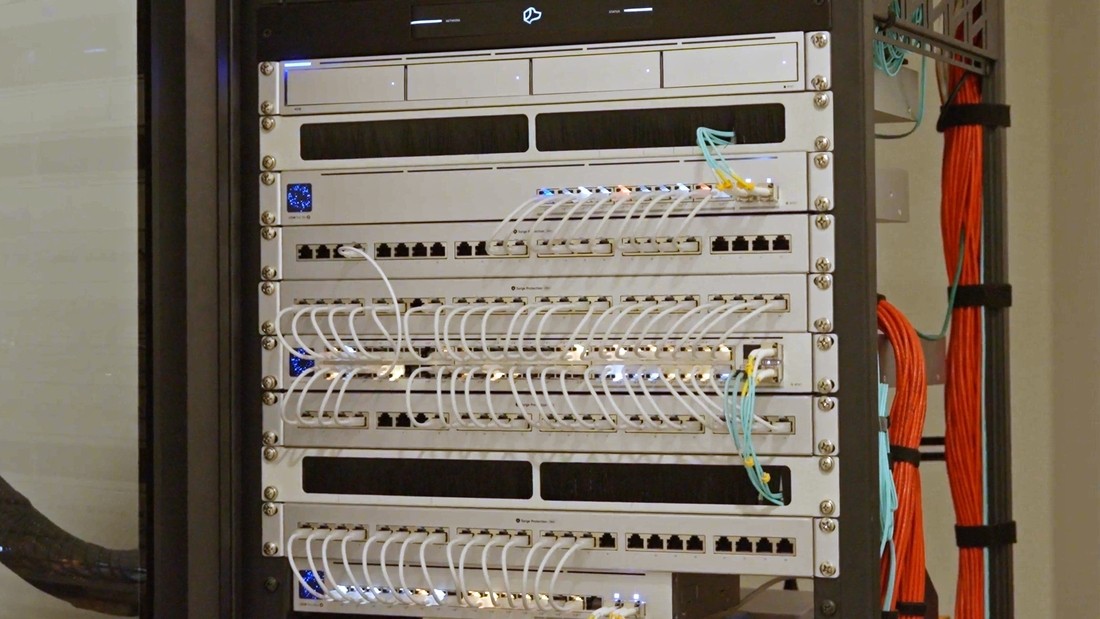
Plan the Home’s Network Like Plumbing and Electrical

Move-in day should feel like a win after years of anticipation. But little hiccups quickly ruin the experience. A homeowner finds a dead WiFi zone in the primary suite, or a security camera that keeps dropping offline, and assumes the device is broken. Usually, the real problem sits one step earlier, in a network that was never planned to run a modern smart home in the first place. 

Getting that infrastructure right is what separates a successful project from one that generates a builder's first callback within the month. We help you avoid those frustrating callbacks by getting your project’s technology foundation right. 

Build Your Home Theater Before the Walls Close In

build-your-home-theater-before-the-walls-close-in

Plan Now for a Better Performance Later

Waiting until move-in day to plan a home theater is one of the easiest ways to compromise performance. There’s no wire run to where speakers are needed or a space set aside for a dedicated equipment rack. By the time walls are painted and floors are finished, the decisions that matter most for a real home theater — wiring paths, sightlines, and sound isolation — have already been locked in. New construction gives homeowners a rare window to plan a dedicated theater from the studs out, before a single wall closes any options off for good.

Tags

CT

Categories

Rye, NY 14
WiFi6 2

Powered By One Firefly   |    Sitemap   |    Privacy Policy